Oil & Gas Hub
From 2-hour manual rounds to second-level warning
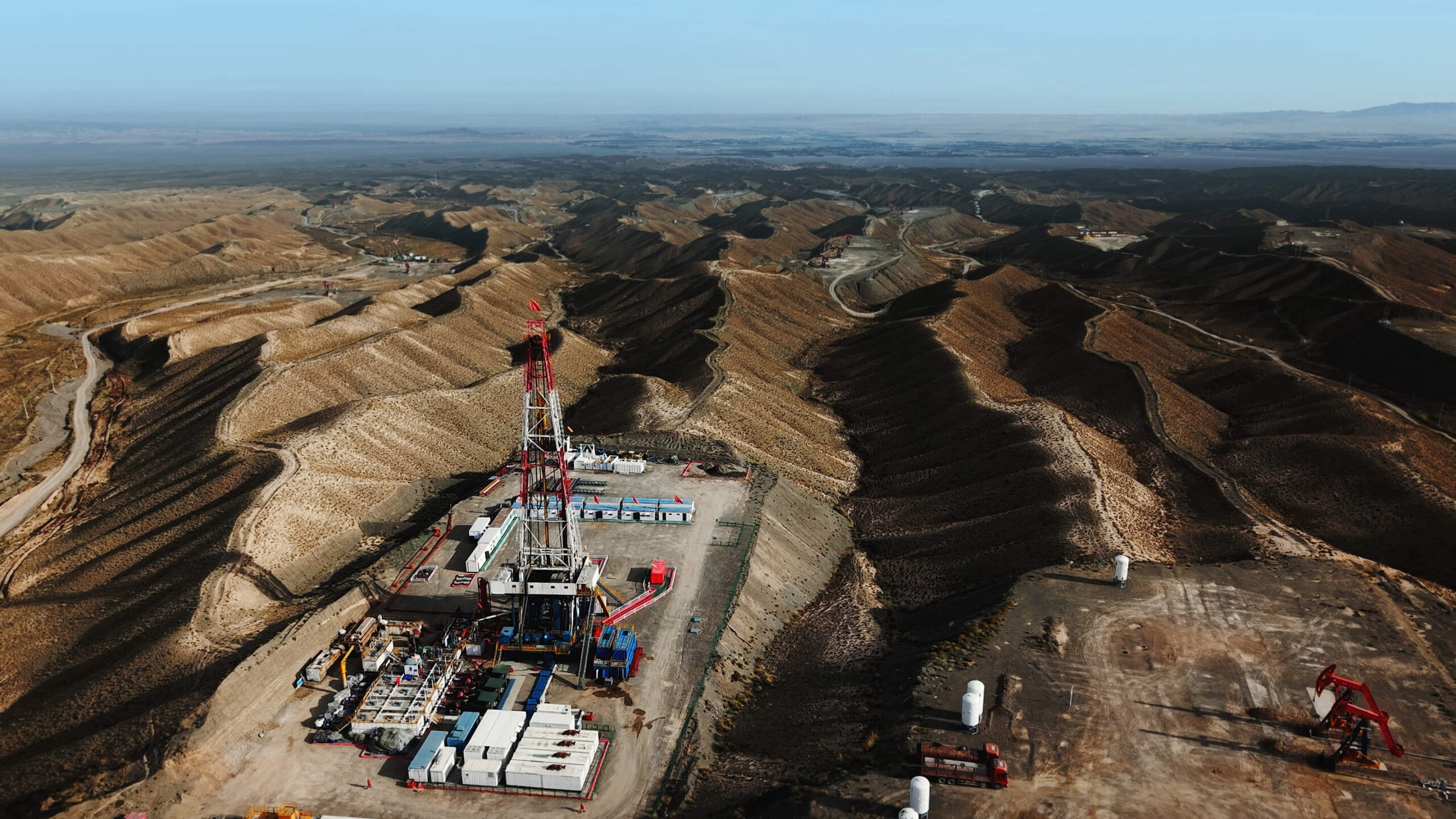
The joint station is a core oil and natural gas processing hub within the oilfield, undertaking critical production tasks. For a long time, inspection operations relied heavily on manual labor: 20 inspectors worked in shifts on a 2-hour rotation, manually filling out inspection forms.
This process was inefficient, and the recorded information was limited — merely indicating whether a hazard was “present” or “absent.” Personnel were chronically exposed to high-pressure, flammable, explosive, and toxic environments, posing extremely high safety risks.
Solution
By deploying an intelligent inspection system, integrated with AI-powered multi-modal perception and big data analytics, a “Air-Ground Integrated” intelligent inspection framework has been established:
-
Intelligent Patrol
Autonomous route planning by mission creation agent
No manual tuning or on-site surveys required
-

Precision Detection
Aerial multispectral sensors detect overhead hazards (e.g., insulation detachment, tank corrosion).
Ground robots spot indoor leaks, drips, and other subtle issues.
-

Efficient Handling
Anomalies trigger automatic alerts and notifications, enabling rapid closed‑loop response and handling.
-

Automated Archiving
Inspection reports are generated automatically upon mission completion, with fully traceable data.
Key Results
-
Algorithm upgrade
Station inspection component recognition expanded to 6 types, enabling more thorough hazard identification.
-
Faster response
The incident detection cycle shortened from 2 hours to seconds, significantly enhancing risk response capabilities.
-
Manpower efficiency
Outdoor inspection personnel reduced from 20 to 8, greatly lowering safety risks for field staff.
-
Remote coverage
Achieves seamless coverage across aerial and ground, indoor and outdoor — establishing a comprehensive, multi‑dimensional intelligent inspection system.