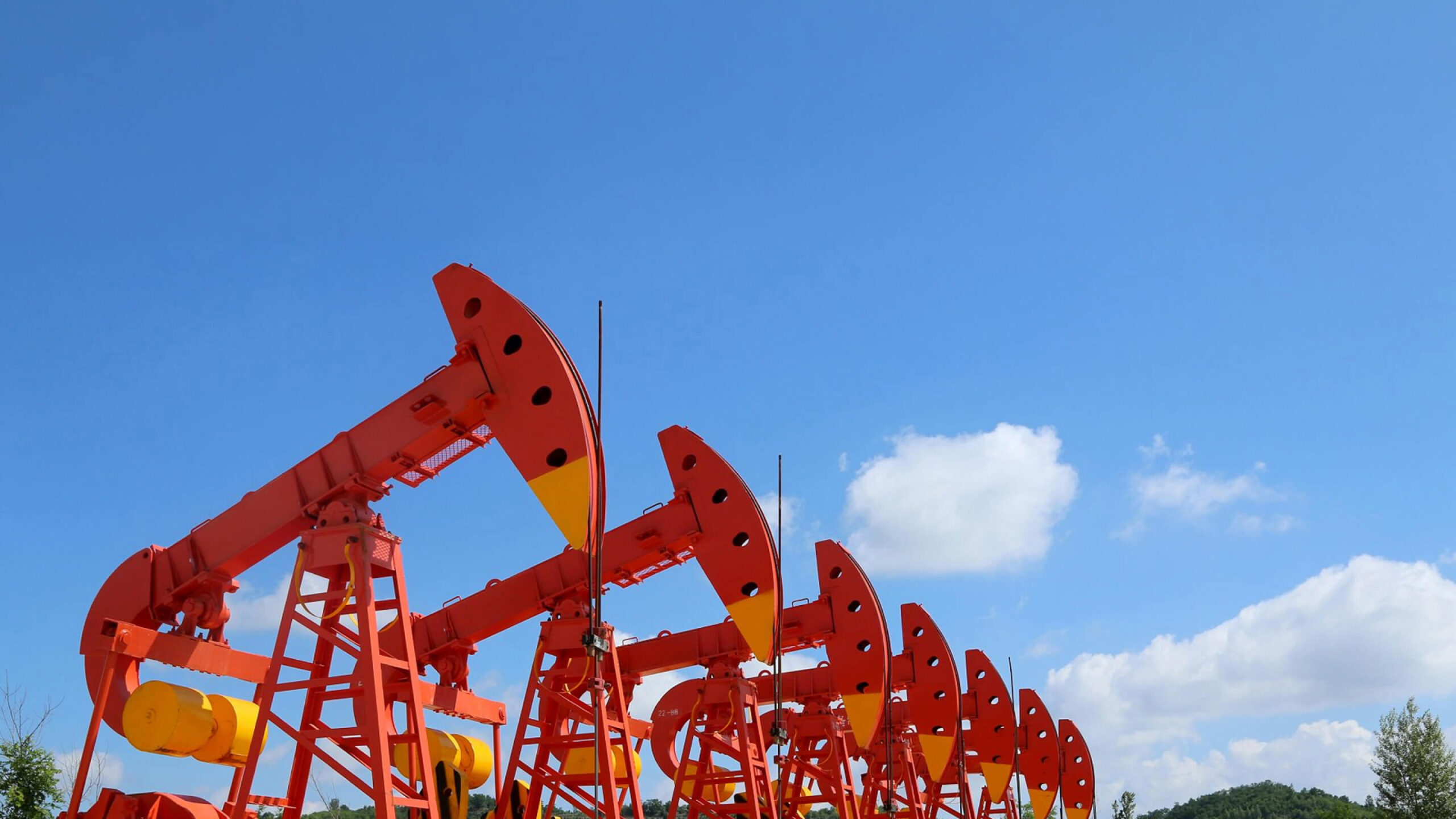
65-Year-Old Oilfield
From manual patrols to full-cycle closed-loop autonomy
Established in 1957, the Production Plant in this Oilfield operates in a harsh environment with remote, scattered well sites. Traditional manual inspection faced challenges such as low efficiency and high risks. In 2019, the plant began introducing intelligent inspection technology to replace manual operations, embarking on a digital transformation journey for the aging oilfield.
Solution
An air-ground collaborative intelligent inspection system has been established, achieving a fully closed-loop workflow of “Inspection – Detection – Response – Archiving”.
-

Intelligent Patrol
Autonomous route planning by mission creation agent
No manual tuning or on-site surveys required
-

Precision Detection
Aerial multispectral sensors detect overhead hazards (e.g., insulation detachment, tank corrosion).
Ground robots spot indoor leaks, drips, and other subtle issues.
-

Efficient Handling
Anomalies trigger automatic alerts and notifications, enabling rapid closed‑loop response and handling.
-

Automated Archiving
Inspection reports are generated automatically upon mission completion, with fully traceable data.
Key Results
-
Algorithm upgrade
Identifiable pumping unit components increased from 2 to 6 types.
Anomaly recognition accuracy rising from 80% to 90%.
-
Faster response
The incident detection cycle shortened from 4 hours to seconds, significantly enhancing risk response capabilities.
-
Manpower efficiency
Manual inspection frequency reduced from once per day to once every three days.
Field inspection personnel decreased from 33 to 11.
-
Remote coverage
Intelligent, unmanned inspection now reaches remote well sites, providing a replicable model for smart management in aging oilfields.